How it harms the body:
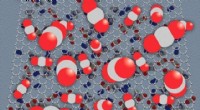
* Binds to hemoglobin: CO binds to hemoglobin in red blood cells, which is the protein responsible for carrying oxygen throughout the body. CO binds much more strongly than oxygen, effectively preventing hemoglobin from carrying oxygen. This leads to oxygen deprivation in the body.
* Cellular damage: The lack of oxygen causes cells to malfunction and can even die. This can lead to damage in various organs, including the brain, heart, and lungs.
Symptoms of carbon monoxide poisoning:
* Headache
* Dizziness
* Nausea
* Vomiting
* Weakness
* Confusion
* Shortness of breath
* Loss of consciousness
Sources of carbon monoxide:
* Incomplete combustion: CO is produced when fuels like gas, oil, wood, and coal burn incompletely due to lack of oxygen. This can happen in furnaces, stoves, fireplaces, generators, and cars.
* Engine exhaust: Car and truck exhaust is a significant source of CO.
* Cigarette smoke: Burning tobacco also releases CO.
* Industrial processes: Some industrial processes can release CO into the air.
Consequences of CO poisoning:
* Brain damage: Prolonged CO exposure can lead to brain damage, cognitive impairment, and even death.
* Heart problems: CO poisoning can cause heart attacks, arrhythmias, and other heart problems.
* Death: Severe CO poisoning can lead to death.
Prevention:
* Proper ventilation: Ensure adequate ventilation when using appliances that burn fuel, especially in enclosed spaces.
* Regular maintenance: Have your heating system, furnace, and other appliances serviced regularly.
* Working smoke detectors: Install and maintain working smoke detectors.
* Don't run car engines in enclosed spaces: Never run a car engine in a garage or other enclosed space.
* Use CO detectors: Install CO detectors in your home, especially near sleeping areas.
If you suspect CO poisoning:
* Get fresh air immediately: Move to a well-ventilated area.
* Call 911 or your local emergency number: Seek immediate medical attention.
It's essential to be aware of the dangers of carbon monoxide and take steps to prevent exposure.