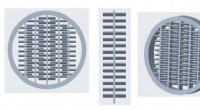
What are we talking about?
* Protein Nanotubes: This is the most likely interpretation. Proteins can self-assemble into long, hollow tubes. These structures are incredibly diverse in terms of their size, shape, and properties.
Examples:
* Batten Disease: A rare genetic disorder where a protein called CLN3 forms abnormally and aggregates into tube-like structures, leading to neurodegeneration.
* Viral Capsids: Many viruses use protein capsids to encapsulate their genetic material. These capsids often have a cylindrical shape.
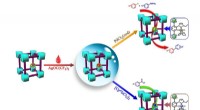
* Nanotechnology: Scientists are using protein engineering to design and create nanotubes for various applications like drug delivery, biosensors, and tissue engineering.
Why is this important?
* Potential Applications: The unique properties of protein nanotubes make them ideal for applications in medicine, materials science, and other fields. For example, they can be used to deliver drugs, act as scaffolds for tissue growth, or create new materials with unusual properties.
* Biological Relevance: The ability of proteins to self-assemble into nanotubes is a fundamental process in biology. It is essential for the formation of viral capsids, the organization of cellular structures, and the regulation of biological processes.
* Understanding Disease: Studying protein nanotubes can help us understand the mechanisms of disease and develop new therapies for conditions like Alzheimer's disease and cancer.
To better understand your question, I need more context:
* What specific properties are you interested in? (e.g., size, stability, function)
* What is the intended use of these protein cylinders?
* Are you looking for examples of naturally occurring protein nanotubes or are you interested in engineered structures?
Once I have this information, I can provide you with a more detailed and focused answer.