* Double bond: The double bond in chloroethene represents an area of high electron density. This makes the molecule reactive and susceptible to attack by free radicals or other reactive species.
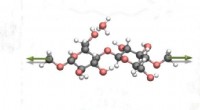
* Addition Polymerization: Polymerization of chloroethene proceeds via an addition reaction. The double bond breaks, and the carbon atoms form single bonds with other chloroethene molecules. This process repeats, forming a long chain polymer called polyvinyl chloride (PVC).
* Free radical initiation: Polymerization is often initiated by free radicals, which are highly reactive species with unpaired electrons. These radicals attack the double bond, causing the chain reaction to start.
In summary, the presence of the carbon-carbon double bond in chloroethene allows it to undergo addition polymerization, resulting in the formation of PVC.