1. Water Molecules in Liquid State:
* Water molecules are constantly moving and vibrating.
* They are close together and have a strong attraction to each other (hydrogen bonding). This attraction keeps them in a liquid state.
2. Adding Heat:
* When heat is added to water, the molecules absorb energy.
* This energy causes the molecules to vibrate faster and move further apart.
3. Breaking Bonds:
* As the molecules move faster, they overcome the attractive forces between them (hydrogen bonds).
* The bonds between water molecules break.
4. Transition to Gas:
* When enough energy is absorbed, the molecules become far enough apart that they escape from the liquid state and become water vapor (gas).
* These gas molecules move freely and randomly, with very weak attractions to each other.
5. Boiling Point:
* The boiling point of water (100°C or 212°F) is the temperature at which the vapor pressure of the water equals the atmospheric pressure.
* This means that the water molecules have enough energy to overcome the pressure of the surrounding air and escape into the atmosphere as gas.
Key Points:
* Increased Kinetic Energy: The key factor in boiling is the increase in kinetic energy of the water molecules due to heat absorption.
* Vapor Pressure: The pressure exerted by the water vapor above the liquid increases as the temperature rises.
* Phase Change: Boiling is a physical change of state from liquid to gas.
Visualizing It:
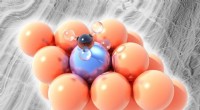
Imagine water molecules as tiny, vibrating balls. When you heat them, they start bouncing around more wildly, eventually breaking free of their neighbors and becoming steam.