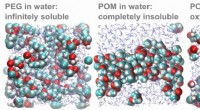
* Solubility: Solubility is the maximum amount of a substance (solute) that can dissolve in a given amount of solvent at a specific temperature. For most solids, like salt, solubility increases with temperature.
* Saturated: A saturated solution means the solvent (water) has dissolved as much solute (salt) as it possibly can at that temperature.
* Heating a saturated solution: When you heat a saturated salt solution, you're essentially increasing the solubility limit. The solution now has the capacity to dissolve more salt, but it doesn't mean the already dissolved salt is disappearing.
Here's a better way to think about it:
1. Cold solution: You have a saturated solution of salt in cold water. All the salt that could dissolve at that temperature is already dissolved.
2. Heating the solution: You increase the temperature. This increases the solubility limit, meaning more salt *could* dissolve if it were present.
3. No more dissolving: Since the solution is already saturated, there's no more salt to dissolve, even though the solubility limit has increased.
4. Adding more salt: If you add more salt to the heated saturated solution, some of it will dissolve because the solubility limit has been raised. The solution is no longer saturated, but it will eventually become saturated again if you continue adding salt.
In essence, heating a saturated salt solution doesn't cause the dissolved salt to dissolve further. It simply increases the solution's capacity to dissolve *more* salt if you add it.