1. Waste Management and Disposal:
* Dissipating waste in this context refers to the process of reducing the volume and harmful impact of waste through various methods, including:
* Waste reduction: Using less material in the first place, such as reusable items and reducing packaging.
* Recycling: Transforming waste into new materials.
* Composting: Breaking down organic waste into nutrient-rich soil.
* Waste-to-energy: Converting waste into energy, such as through incineration or anaerobic digestion.
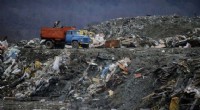
* Landfilling: Burying waste in a controlled environment.
2. Energy and Heat Dissipation:
* Dissipating waste can also refer to the process of heat dissipation, where excess heat is released from a system, like a computer or a power plant, to prevent overheating.
* Waste heat is a by-product of many processes, and it's important to dissipate it to maintain efficiency and prevent damage.
3. Dissipating Waste in General:
* In a broader sense, dissipating waste can refer to any process that reduces or eliminates something that is unwanted or harmful. This could include:
* Dissipating financial waste by streamlining processes and reducing unnecessary spending.
* Dissipating emotional waste by processing and releasing negative feelings.
* Dissipating mental clutter by organizing thoughts and prioritizing tasks.
To better understand what "dissipating waste" means, it's important to consider the context in which it is used.
Please provide more context or details about what you're trying to learn about, and I can give you a more specific and helpful response.