Here's a breakdown:
Ozone (O3):
* Composition: Made up of three oxygen atoms.
* Structure: Triangular shape.
* Properties:
* Strong oxidizer.
* Exists in the stratosphere as a protective layer against harmful UV radiation.
* In the troposphere (lower atmosphere), it's a pollutant that can damage lungs and plants.
* Impact:
* Stratospheric ozone is beneficial for life.
* Tropospheric ozone is harmful.
Carbon Dioxide (CO2):
* Composition: Made up of one carbon atom and two oxygen atoms.
* Structure: Linear shape.
* Properties:
* Greenhouse gas, trapping heat in the atmosphere.
* Released through burning fossil fuels, deforestation, and other human activities.
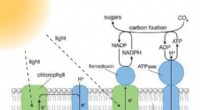
* Essential for plant photosynthesis.
* Impact:
* Major contributor to climate change.
* Can cause ocean acidification.
Key Differences:
* Chemical composition and structure: They have different numbers and arrangements of atoms.
* Impact on environment: Ozone can be both beneficial and harmful depending on its location, while CO2 is primarily a harmful greenhouse gas.
* Sources and sinks: Ozone is naturally produced in the stratosphere, while CO2 is mainly released by human activities.
In summary:
Ozone and CO2 are distinct molecules with different chemical compositions, structures, and roles in the environment. While ozone protects us from harmful UV radiation in the stratosphere, CO2 is a major contributor to climate change.