* Chemical Reactions: A chemical reaction involves the rearrangement of atoms and molecules, leading to the formation of new substances. This rearrangement always involves the breaking and forming of chemical bonds.
* Exothermic Reactions: These reactions release energy, typically in the form of heat, into the surroundings. This energy release is a result of the energy difference between the bonds broken and the bonds formed during the reaction. When the bonds formed are stronger than the bonds broken, the excess energy is released as heat.
In essence, exothermic reactions are chemical reactions because they involve the fundamental processes of breaking and forming bonds, which is a key characteristic of chemical transformations.
Here's an example to illustrate:
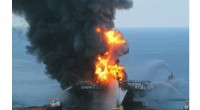
* Combustion: Burning wood is an exothermic reaction. The bonds in the wood molecules and oxygen molecules are broken, and new bonds are formed in carbon dioxide, water, and other products. The formation of these new bonds releases more energy than was required to break the original bonds, leading to the release of heat and light.
Important note: Exothermic reactions are just one type of chemical reaction. Other types include endothermic reactions, which absorb energy from the surroundings.