Here's why:
* Tetrahedron Structure: Each silicon atom in a silicate mineral is surrounded by four oxygen atoms, forming a tetrahedral shape.
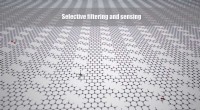
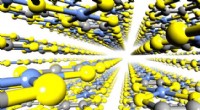
* Sheet Formation: In sheet silicates, these tetrahedra link together by sharing oxygen atoms.
* Shared Oxygen: Each tetrahedron shares three of its oxygen atoms with adjacent tetrahedra, forming a continuous sheet structure. The fourth oxygen atom points out of the sheet, creating the layered structure.
This shared oxygen arrangement creates the characteristic flat, sheet-like structure of sheet silicate minerals like mica, talc, and clay.