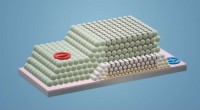
What is a semipermeable membrane?
A semipermeable membrane is a barrier that allows certain molecules to pass through while blocking others. Think of it like a screen door – small insects can pass through, but larger animals cannot.
How does osmosis work?
* Water Movement: Osmosis is the movement of water molecules from a region of high water concentration to a region of low water concentration. This movement is driven by the difference in water potential between the two areas.
* Concentration Gradients: The concentration gradient refers to the difference in the concentration of a substance (in this case, water) across a membrane. Water naturally flows from areas where it's more concentrated to areas where it's less concentrated.
* Selective Permeability: The semipermeable membrane allows water molecules to pass through, but restricts the movement of other molecules, like solutes.
Why is osmosis important?
Osmosis plays a crucial role in many biological processes:
* Cell Function: Cells maintain their internal environment and volume through osmosis.
* Plant Growth: Water uptake by plants is primarily driven by osmosis.
* Waste Removal: Osmosis helps in the removal of waste products from the body.
* Kidney Function: Osmosis is essential for maintaining the correct concentration of solutes in the blood and urine.
Important Terms:
* Hypotonic: A solution with a lower concentration of solutes compared to another solution. Water will move into the hypotonic solution.
* Hypertonic: A solution with a higher concentration of solutes compared to another solution. Water will move out of the hypotonic solution.
* Isotonic: Two solutions with the same concentration of solutes. There is no net movement of water.
Example:
Imagine a cell immersed in a solution with a higher concentration of solutes than the inside of the cell. The cell is considered hypotonic to the solution. Water will move out of the cell (from high water concentration to low water concentration) to try to balance the concentration gradient. This can lead to the cell shrinking or even dying.
Let me know if you'd like to delve deeper into any specific aspect of osmosis!