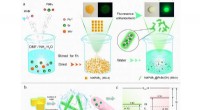
Here's a breakdown:
* Concentration: The amount of a substance (solute) dissolved in a given volume of solvent (like water).
* Gradient: A gradual change in a value over a distance.
In simpler terms: A concentration gradient means there's more of the solute in one area compared to another. This difference in concentration creates a driving force for movement, making the solute naturally want to spread out until it's evenly distributed.
Examples:
* Sugar in a cup of tea: If you add sugar to a cup of tea, the sugar concentration is initially higher near the bottom of the cup. Over time, the sugar will dissolve and spread out, creating a more even concentration throughout the tea.
* Oxygen in the lungs: The concentration of oxygen is higher in the air we breathe than in our blood. This gradient drives oxygen to move from the lungs into the bloodstream.
Important things to remember:
* Direction of movement: Substances tend to move from areas of high concentration to areas of low concentration to try and equalize the distribution.
* Passive transport: Movement driven by a concentration gradient is often called passive transport, as it doesn't require energy input.
Let me know if you have any further questions!