Metals in Living Things:
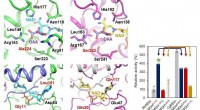
* Bound in molecules: Metals in living organisms are not found in their pure elemental form. Instead, they are tightly bound within molecules, often as ions or complexed with organic molecules.
* Specific roles: Each metal has a specific role in biological processes. For instance, iron is crucial for oxygen transport in hemoglobin, calcium is essential for bone formation, and magnesium is involved in photosynthesis.
* Controlled reactivity: The binding of metals within molecules tightly controls their reactivity. This prevents them from reacting uncontrollably and damaging cells.
* Examples: Iron in hemoglobin, calcium in bones, magnesium in chlorophyll, zinc in enzymes.
Pure Metals:
* Elemental form: Pure metals exist in their elemental state, meaning they are not bonded to other atoms.
* High reactivity: Most pure metals are highly reactive, especially with oxygen, water, and acids. This reactivity can lead to corrosion and other undesirable effects.
* Not directly usable by living things: Pure metals are generally not readily usable by living things. Their high reactivity can be toxic and their large size makes them difficult to incorporate into biological systems.
* Examples: Iron metal (Fe), copper metal (Cu), gold metal (Au).
Comparison Table:
| Feature | Metals in Living Things | Pure Metals |
|---|---|---|
| Form | Bound in molecules | Elemental form |
| Function | Specific roles in biological processes | No specific biological function |
| Reactivity | Controlled and regulated | Highly reactive |
| Usable by living things | Yes, but only in specific forms | Not directly usable |
| Examples | Iron in hemoglobin, calcium in bones | Iron metal (Fe), copper metal (Cu) |
In essence, metals in living things are carefully managed and harnessed for specific biological functions, while pure metals are too reactive and bulky to be directly utilized by living organisms.