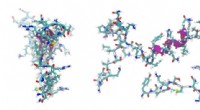
* Types of Mixtures: Mixtures can be homogeneous or heterogeneous.
* Homogeneous mixtures have a uniform composition throughout. Think of salt dissolved in water. Even if you take a sample from the top or bottom, it'll have the same salt concentration.
* Heterogeneous mixtures have non-uniform composition. Think of sand and water. You'll find areas with more sand and areas with more water.
* Changes During an Experiment: Even if you start with a homogeneous mixture, changes during an experiment can lead to non-uniformity. For example:
* Evaporation: If a solution is exposed to air, the solvent (like water) might evaporate, leaving behind a higher concentration of solute.
* Chemical Reactions: If a chemical reaction occurs within the mixture, it can change the composition of certain parts of the mixture.
* Sedimentation: In a heterogeneous mixture, heavier components might settle to the bottom over time, changing the composition in different layers.
In summary: The uniformity of a mixture's composition depends on the type of mixture and whether any changes occur during the experiment.