1. Ice Crystals:
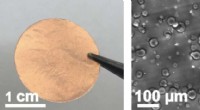
* Freezing: When ice cream is made, it's a mixture of water, fat, sugar, and other ingredients. As it freezes, the water molecules form a regular, crystalline structure – ice crystals.
* Size Matters: The size of these ice crystals directly affects the texture. Small crystals create a smooth, creamy mouthfeel, while larger crystals lead to a gritty or icy texture.
2. Recrystallization:
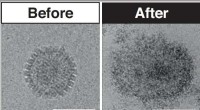
* Temperature Fluctuations: After initial freezing, ice cream is often exposed to temperature changes during storage, transportation, and even in your freezer. These fluctuations cause the ice crystals to melt and then refreeze.
* Growth: During refreezing, the small ice crystals can join together, creating larger crystals. This process is called recrystallization.
3. Factors Influencing Crystal Growth:
* Storage Temperature: The most important factor! Keeping ice cream at a consistently cold temperature (ideally below 0°F/-18°C) minimizes melting and refreezing, reducing recrystallization.
* Air Incorporation: The air whipped into ice cream creates tiny pockets that help prevent crystal growth.
* Fat Content: Fat molecules in ice cream act like "shields" around the ice crystals, slowing down recrystallization. Higher fat content means smoother texture.
* Sugar Content: Sugar lowers the freezing point of water, making the ice cream softer at lower temperatures. This can also help reduce ice crystal growth.
* Stabilizers and Emulsifiers: These ingredients help prevent water separation and contribute to smoother texture.
In Summary:
The crystals on ice cream form due to the natural process of ice crystal growth during freezing and recrystallization caused by temperature fluctuations. Proper storage and handling practices are crucial for minimizing these crystals and maintaining the desired smooth and creamy texture of ice cream.