1. Extraction & Processing:
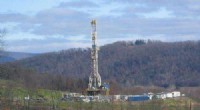
* Extraction: Natural gas is extracted from underground formations through wells.
* Initial Processing: Gas extracted from wells often contains impurities like water, carbon dioxide, sulfur compounds, and heavier hydrocarbons. These are removed through:
* Dehydration: Water is removed using various methods like glycol dehydration.
* Desulfurization: Sulfur compounds are removed using amine sweetening or other processes.
* Hydrocarbon removal: Heavier hydrocarbons are separated through condensation or other techniques.
2. Transportation & Storage:
* Pipelines: Natural gas is transported through extensive pipeline networks to different locations.
* Liquefied Natural Gas (LNG): For long-distance transport or storage, natural gas is liquefied by cooling it to -162°C. This reduces its volume significantly, making it easier to transport by ship.
* Compressed Natural Gas (CNG): Natural gas can be compressed into smaller volumes for use in vehicles.
3. Utilization & Transformation:
* Direct Combustion: Natural gas is burned directly for heating, power generation, and industrial processes.
* Gas-to-Liquids (GTL): Natural gas can be converted into liquid fuels like diesel and kerosene through Fischer-Tropsch synthesis. This process involves converting methane to synthetic crude oil.
* Chemical Feedstock: Natural gas is used as a feedstock for various chemical industries, producing chemicals like ammonia, methanol, and plastics.
* Methane Reforming: Natural gas can be converted into hydrogen through methane reforming, a process that produces hydrogen and carbon dioxide.
4. Emerging Transformations:
* Biogas: Organic waste can be converted into biogas, primarily composed of methane, through anaerobic digestion. This provides a renewable source of natural gas.
* Syngas Production: Natural gas can be converted into synthesis gas (syngas), a mixture of carbon monoxide and hydrogen, through various processes like steam methane reforming. Syngas is a versatile feedstock for many industrial processes.
In Summary:
Natural gas undergoes various transformations, from extraction and processing to transportation, storage, and utilization. These processes aim to remove impurities, transport it efficiently, and convert it into various usable forms, including direct combustion, liquid fuels, chemical feedstocks, and alternative energy sources.