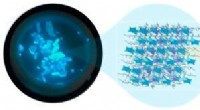
Here's a breakdown:
* D-glucopyranose: This is the most common form of glucose, a six-membered ring structure.
* D-fructofuranose: This is a five-membered ring form of fructose.
* Saturated solution: A solution where the solvent (usually water in this case) has dissolved the maximum amount of solute (the sugars) it can hold under the given conditions.
Key points:
* Solubility limits: The solubility of sugars like glucose and fructose in water is limited. This means that there is a maximum amount of sugar that can dissolve in a given volume of water at a specific temperature.
* Equilibrium: In a saturated solution, the rate of dissolving and crystallization is equal. This means that while some sugar molecules may be dissolving, an equal number are coming out of solution and forming crystals.
* Factors affecting saturation: Temperature plays a significant role in the solubility of sugars. Generally, higher temperatures allow more sugar to dissolve.
To prepare a saturated solution:
1. Start with a known volume of water.
2. Add a known amount of D-glucopyranose and D-fructofuranose.
3. Stir or agitate the solution.
4. Gradually add more sugar until no more dissolves. You'll know it's saturated when you start seeing solid sugar crystals at the bottom of the container.
It's important to note that a saturated solution of D-glucopyranose and D-fructofuranose is not necessarily a 1:1 mixture. The exact ratio of sugars in the saturated solution will depend on the solubility of each sugar at the given temperature and pressure.