* Accuracy: Graduated cylinders are specifically designed for measuring liquid volumes, with markings that are calibrated for accuracy.
* Precision: They offer a fine level of detail in the markings, allowing for precise measurements.
* Shape: Their cylindrical shape helps to minimize the impact of surface tension on the measurement.
* Ease of Use: They are relatively easy to use, especially with the help of a meniscus reader.
Other instruments that can be used, but may be less precise:
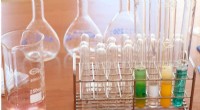
* Beaker: Good for general liquid handling, but not as precise as a graduated cylinder.
* Erlenmeyer flask: Good for mixing and storing liquids, but not ideal for precise volume measurements.
* Syringe: Can be used for small, precise measurements, but not for larger volumes.
Tips for Precise Measurement:
* Read the meniscus: The meniscus is the curve at the top of the liquid. Read the measurement at the bottom of the meniscus for accurate results.
* Eye Level: Ensure your eye is level with the meniscus when reading the measurement.
* Correct Instrument: Choose the appropriate size of graduated cylinder for your liquid volume.
* Calibration: Ensure your graduated cylinder is properly calibrated.