Here's why:
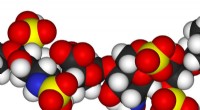
* Chemical changes involve the formation or breaking of chemical bonds between atoms. This means that the atoms are rearranged, forming new molecules or compounds with different properties.
* Physical changes, on the other hand, only affect the physical properties of a substance, such as its state (solid, liquid, gas), shape, or size. The chemical composition remains the same.
Examples of chemical changes:
* Burning wood: The wood reacts with oxygen, breaking apart the molecules and forming new ones like carbon dioxide and water.
* Rusting of iron: Iron reacts with oxygen and water to form iron oxide (rust).
* Cooking an egg: The proteins in the egg change structure when heated, leading to a different texture and appearance.
Let me know if you have any other questions!