1. Addition Polymerization:
* Mechanism: Monomers add to one another in a chain reaction, without the loss of any atoms.
* Key Feature: Double or triple bonds in monomers break, and single bonds form between monomers.
* Examples: Polyethylene (from ethylene), Polypropylene (from propylene), Polyvinyl chloride (from vinyl chloride).
2. Condensation Polymerization:
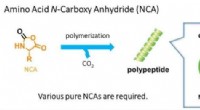
* Mechanism: Monomers react to form a polymer, and a small molecule (like water or methanol) is released as a byproduct.
* Key Feature: Monomers have functional groups that react to form a new bond, and a small molecule is eliminated.
* Examples: Polyester (from a dicarboxylic acid and a dialcohol), Nylon (from a diamine and a diacid), Proteins (from amino acids), Polysaccharides (from monosaccharides).
Here's a breakdown of the patterns:
Addition Polymerization:
* Linear Chains: Monomers add end-to-end, forming a long, straight chain.
* Branched Chains: Side chains branch off the main chain, adding complexity.
* Cross-linked Chains: Chains are linked together by covalent bonds, forming a network structure.
Condensation Polymerization:
* Linear Chains: Monomers link together end-to-end, forming a long, straight chain.
* Branched Chains: Side chains branch off the main chain, adding complexity.
* Cross-linked Chains: Chains are linked together by covalent bonds, forming a network structure.
Factors Influencing Polymer Structure:
* Monomer Structure: The functional groups and shape of the monomer influence the type of polymerization and the resulting polymer structure.
* Reaction Conditions: Temperature, pressure, and catalysts can influence the polymerization process and the final polymer properties.
Important Note: The specific arrangement of monomers within a polymer chain (called tacticity) can also influence the polymer's properties.
Let me know if you would like more details on any of these topics!