1. Colligative Properties:
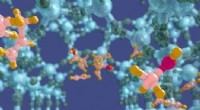
* Freezing Point Depression: Adding salt to water lowers its freezing point. This is a fundamental principle of chemistry known as colligative properties. The salt ions disrupt the formation of ice crystals, making it harder for water to freeze.
* How it works: When salt dissolves in water, it dissociates into sodium ions (Na+) and chloride ions (Cl-). These ions get in the way of water molecules forming their regular, crystalline structure required for ice formation.
2. Exothermic Reaction:
* Heat Release: When salt dissolves in water, it absorbs heat from the surroundings. This is an exothermic reaction, meaning it releases heat. This released heat can help to melt the surrounding ice and snow.
3. Other Factors:
* Salt Concentration: The more salt you add, the lower the freezing point becomes. However, there's a limit to how much salt can dissolve in water at a given temperature.
* Temperature: Deicer salt is most effective at temperatures above 15°F (-9°C). Below this temperature, the salt's effectiveness decreases significantly.
* Snow Conditions: Fresh, powdery snow is easier to melt with salt than compacted or icy snow.
Why not use sugar?
Sugar is a covalent compound and doesn't dissociate into ions like salt. This means it doesn't disrupt the water molecules' ability to form ice crystals and lacks the ion-induced freezing point depression.
Overall: Deicer salt effectively melts snow and ice by lowering the freezing point of water and releasing heat through an exothermic reaction. This makes it a common and effective tool for clearing roadways, sidewalks, and parking lots.