Here's why:
* Surface tension is the cohesive force between molecules at the surface of a liquid, making it act like a stretched elastic membrane. Water has a high surface tension due to strong hydrogen bonding between its molecules.
* Rubbing alcohol is a polar solvent, but it has weaker intermolecular forces (hydrogen bonds) compared to water.
* When rubbing alcohol is added to water, it disrupts the strong hydrogen bonds at the surface, weakening the cohesive forces. This results in a lower surface tension.
Here are some practical examples of how rubbing alcohol affects surface tension:
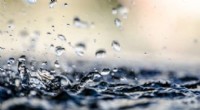
* Water droplets: Water droplets on a clean surface will bead up due to its high surface tension. Adding rubbing alcohol will make the droplets spread out as the surface tension decreases.
* Cleaning: Rubbing alcohol's lower surface tension allows it to penetrate surfaces better than water, making it an effective cleaning agent for removing grease and grime.
* Bubbles: Adding a small amount of rubbing alcohol to soapy water can help stabilize bubbles, as it reduces the surface tension and makes the bubble walls thinner and more flexible.
In summary, rubbing alcohol reduces surface tension by disrupting the strong intermolecular forces at the surface of the liquid.