Here's a breakdown of the key characteristics of strong acids and bases:
Strong Acids:
* Completely ionize in water: This means that when a strong acid dissolves in water, all of its molecules donate a proton (H+) to water molecules, forming hydronium ions (H3O+).
* High concentration of H+ ions: Due to complete ionization, strong acids have a very high concentration of hydrogen ions in solution, making them highly acidic.
* Low pH values: Strong acids typically have pH values below 1, indicating a high acidity.
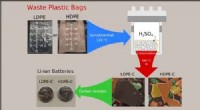
* Examples: Hydrochloric acid (HCl), sulfuric acid (H2SO4), nitric acid (HNO3)
Strong Bases:
* Completely dissociate in water: Strong bases, when dissolved in water, completely break down into their respective ions. This includes releasing hydroxide ions (OH-) into the solution.
* High concentration of OH- ions: Due to complete dissociation, strong bases have a high concentration of hydroxide ions in solution, making them highly basic.
* High pH values: Strong bases typically have pH values above 13, indicating a high alkalinity.
* Examples: Sodium hydroxide (NaOH), potassium hydroxide (KOH), barium hydroxide (Ba(OH)2)
Key Differences:
* Ionization vs. Dissociation: Strong acids ionize (donate protons), while strong bases dissociate (release hydroxide ions).
* H+ vs. OH- concentration: Strong acids have high H+ concentrations, while strong bases have high OH- concentrations.
Important Note: It's crucial to handle strong acids and bases with extreme caution, as they can cause severe burns and damage. Always use appropriate safety measures like gloves and goggles.