The Big Four:
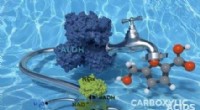
* Carbon (C): The backbone of organic molecules, found in everything from carbohydrates and fats to proteins and DNA.
* Hydrogen (H): Another key ingredient in organic molecules, often paired with carbon.
* Oxygen (O): Essential for respiration and crucial to many biological processes.
* Nitrogen (N): A key component of proteins and DNA, also found in the atmosphere.
Other Important Elements:
* Phosphorus (P): Found in DNA, RNA, and ATP (the energy currency of cells).
* Sulfur (S): Present in many proteins and some vitamins.
* Sodium (Na) and Potassium (K): Important for nerve impulses and muscle function.
* Calcium (Ca): Essential for bones, teeth, and muscle contraction.
* Chlorine (Cl): Found in table salt and plays a role in maintaining fluid balance.
Less Common but Still Important:
* Iron (Fe): Found in hemoglobin, which carries oxygen in the blood.
* Magnesium (Mg): Essential for many enzyme reactions.
* Zinc (Zn): Important for immune function and wound healing.
Important Note: While some elements, like gold (Au) and platinum (Pt), are important for certain technologies, they are rarely found in naturally occurring biological molecules.