Natural Sources:
* Respiration: All living organisms, from plants to animals, breathe in oxygen and exhale carbon dioxide as a byproduct of their metabolism.
* Volcanic Eruptions: Volcanoes release significant amounts of carbon dioxide when they erupt, although this is a relatively minor source compared to other sources.
* Decomposition: When organic matter like dead plants and animals decomposes, it releases carbon dioxide into the atmosphere.
* Ocean Outgassing: The oceans naturally absorb and release carbon dioxide. When the ocean warms, it releases more carbon dioxide into the atmosphere.
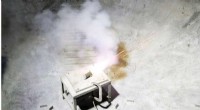
* Wildfires: Wildfires release vast amounts of carbon dioxide stored in plants and soil.
Human-Caused Sources (Anthropogenic):
* Burning Fossil Fuels: The combustion of fossil fuels like coal, oil, and natural gas is the primary source of human-caused carbon dioxide emissions. This is used for electricity generation, transportation, and industrial processes.
* Deforestation: Trees absorb carbon dioxide from the atmosphere during photosynthesis. When forests are cleared for agriculture or other purposes, the stored carbon is released back into the atmosphere.
* Industrial Processes: Some industrial processes, like the production of cement and steel, release carbon dioxide as a byproduct.
* Agriculture: Land-use changes and agricultural practices, including livestock farming and rice cultivation, release significant amounts of methane and nitrous oxide, which are greenhouse gases that contribute to climate change.
In summary:
* Carbon dioxide is a natural part of the Earth's atmosphere and cycles through various processes.
* However, human activities have significantly increased the concentration of carbon dioxide in the atmosphere, leading to climate change.
* Understanding the sources of carbon dioxide is crucial for addressing climate change and developing sustainable solutions.