1. Starting Material: Pyruvate
* Pyruvate is a three-carbon molecule produced during glycolysis, the breakdown of glucose in the cytoplasm.
2. The Journey to the Mitochondria
* Pyruvate must enter the mitochondria, the powerhouses of the cell, where the final stages of energy production take place.
3. Pyruvate Dehydrogenase Complex (PDC)
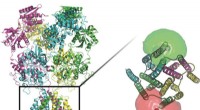
* Once inside the mitochondria, pyruvate encounters the pyruvate dehydrogenase complex (PDC), a large multi-enzyme complex.
4. Decarboxylation
* The PDC removes a carbon dioxide molecule from pyruvate, converting it to a two-carbon molecule called acetate.
5. Oxidation and CoA Attachment
* The PDC simultaneously oxidizes the acetate molecule and attaches it to coenzyme A (CoA), a molecule that serves as a carrier.
6. Acetyl-CoA Formation
* The combined product of these steps is acetyl-CoA, a molecule that is ready to enter the next stage of energy production, the citric acid cycle (also known as the Krebs cycle).
In Summary:
The formation of acetyl-CoA from pyruvate involves a series of enzymatic steps, catalyzed by the pyruvate dehydrogenase complex, that include decarboxylation, oxidation, and the attachment of coenzyme A.
Key Points to Remember:
* Acetyl-CoA is a central molecule in metabolism.
* It is produced from pyruvate, the end product of glycolysis.
* The formation of acetyl-CoA takes place within the mitochondria.
* It is a key intermediate in the citric acid cycle, leading to ATP production.
Understanding how acetyl-CoA is made is crucial to understanding how our cells obtain energy from food.