* Phase Transition: Boiling is a phase transition where a liquid changes to a gas (vapor). This change occurs throughout the entire volume of the liquid, not just at the surface.
* Temperature and Pressure: For boiling to occur, the liquid must reach a specific temperature and pressure. These conditions apply to the entire bulk of the liquid, not just a specific point.
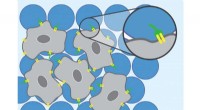
* Nucleation Sites: Bubbles of vapor form throughout the liquid, not just at the surface. These "nucleation sites" can be impurities, scratches, or even dissolved gases in the liquid.
* Collective Behavior: The formation and growth of vapor bubbles are a result of the collective behavior of many molecules within the liquid, not just the interaction of a few molecules at the surface.
In contrast to surface phenomena like evaporation, which occurs only at the liquid's surface, boiling is a bulk phenomenon involving the entire liquid mass.