Liquids that cause corrosion:
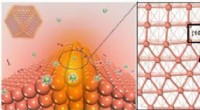
* Saltwater: Saltwater is highly corrosive to most metals, especially iron. The salt ions react with the metal, forming rust (iron oxide). This weakens the nail and can eventually cause it to break.
* Acids: Strong acids like hydrochloric acid (HCl) can rapidly corrode metal nails. They react with the metal, dissolving it and releasing hydrogen gas.
* Alkaline solutions: Strong alkaline solutions like sodium hydroxide (NaOH) can also cause corrosion, though at a slower rate than acids.
Liquids that cause no significant corrosion:
* Water: Pure water is generally not very corrosive to metal nails, though it can cause some rusting over time.
* Alcohols: Alcohols like ethanol and methanol are not corrosive to metals.
* Oils and greases: These substances can actually help protect metal nails from corrosion by forming a barrier between the metal and the air.
Other effects:
* Liquids can change the physical properties of the metal: Some liquids can cause the metal to become brittle or softer.
* Liquids can change the appearance of the metal: For example, some liquids can cause the metal to become discolored or stained.
The type of metal also plays a role:
* Iron nails: Iron nails are particularly susceptible to rusting, especially in the presence of water and oxygen.
* Stainless steel nails: Stainless steel nails are much more resistant to corrosion than iron nails due to the presence of chromium in the alloy.
Important considerations:
* Concentration: The concentration of the liquid can significantly affect its corrosive properties. More concentrated solutions are generally more corrosive.
* Temperature: Higher temperatures can increase the rate of corrosion.
* Exposure time: The longer the metal is exposed to the liquid, the more likely it is to corrode.
It's important to note that this is a general overview, and the specific effects of different liquids on metal nails can vary depending on the specific circumstances.