The ice cube doesn't just disappear.
* Melting: When the ice cube melts, it changes from a solid (ice) to a liquid (water). The water molecules are still there, but they're no longer locked into a rigid structure.
* Evaporation: The liquid water doesn't disappear either. It changes from a liquid into a gas (water vapor). This process is called evaporation.
Why the students might think the water is gone:
* Invisible water vapor: Water vapor is invisible to the naked eye. This makes it seem like the water has simply disappeared.
* Evaporation over time: Even at room temperature, some water will slowly evaporate. This happens faster if the water is warm or exposed to air currents.
Here's how to explain it to the students:
1. Show them the process: Heat a small amount of water in a clear container on a stovetop or with a hot plate. They'll see the water change to steam, which is water vapor. Explain that this is the same process happening with the melted ice cube, just at a slower rate.
2. Use analogies: You can compare the process to a puddle drying up in the sun or a wet towel drying on a clothesline.
3. Emphasize the conservation of matter: Explain that matter can't be created or destroyed, it just changes form. The water molecules from the ice cube are still there, just in a different state.
Extra Tips:
* Experiments: Let them experiment with different temperatures and see how quickly the ice melts.
* Visual aids: Draw diagrams or show pictures of the water cycle to illustrate the different states of matter.
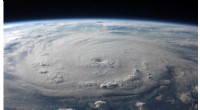
* Real-world examples: Discuss things like fog, clouds, and rain, which are all forms of water in the atmosphere.