Solids
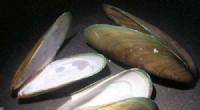
* Appearance: Solids have a definite shape and volume. They hold their shape and don't flow like liquids.
* Examples: Rocks, ice, wood, metal, crystals.
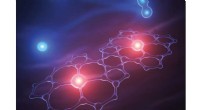
* Structure: The particles in a solid are tightly packed together and vibrate in fixed positions.
Liquids
* Appearance: Liquids have a definite volume but take the shape of their container. They flow easily.
* Examples: Water, juice, oil, mercury.
* Structure: The particles in a liquid are close together but can move around freely.
Gases
* Appearance: Gases have no definite shape or volume. They expand to fill the entire space they occupy.
* Examples: Air, oxygen, carbon dioxide, helium.
* Structure: The particles in a gas are far apart and move freely in all directions.
To Visualize It
* Solid (like a brick): Imagine tiny marbles tightly packed together, unable to move much.
* Liquid (like water): Imagine the marbles still close together, but able to slide past each other.
* Gas (like air): Imagine the marbles flying around in all directions with lots of space between them.
Key Point: The differences in appearance and behavior are due to how tightly the particles (atoms or molecules) are packed together and how they move.