1. Phosphorus (P4):
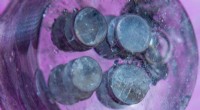
* This is the most common meaning of P4 in science. It refers to white phosphorus, a highly reactive and toxic allotrope of phosphorus.
* It's a molecule made up of four phosphorus atoms bonded together in a tetrahedral shape.
* It's used in various applications, including:
* Making matches and fireworks: P4 is highly flammable and burns readily, making it ideal for igniting other materials.
* Production of fertilizers: P4 is a key component in the production of phosphoric acid, which is used to create fertilizers.
* Weaponry: White phosphorus was used in incendiary bombs during World War II and other conflicts.
* Military tracer rounds: P4 is used in some tracer rounds for firearms, producing a bright yellow flame.
2. P4 (Project 4):
* This could refer to a specific research project or initiative within a particular scientific field.
* The meaning of P4 would depend on the context and specific institution or research group involved.
3. P4 (Pressure 4):
* In some specific scientific contexts, "P4" might be used to denote a pressure of 4 units.
* However, this is highly context-dependent and not a common or standardized abbreviation.
To understand the meaning of P4 in a specific context, you need more information, such as:
* What field of science are you referring to? (Chemistry, biology, physics, etc.)
* What is the surrounding text or conversation?
* Is there any other information provided, like the name of a research project or institution?
Once you provide more context, I can help you understand the specific meaning of P4 in that instance.