1. Stronger Intermolecular Forces:
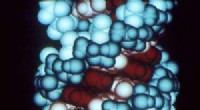
* Water (H₂O): Water molecules are highly polar, meaning they have a positive and negative end due to uneven electron sharing. This polarity leads to strong hydrogen bonds between water molecules, which require a lot of energy to break.
* Gasoline: Gasoline is a mixture of hydrocarbons, which are mostly nonpolar. The intermolecular forces between gasoline molecules are weaker, primarily van der Waals forces.
2. Heat of Vaporization:
* Heat of vaporization is the amount of energy needed to change a substance from a liquid to a gas at its boiling point.
* Water has a significantly higher heat of vaporization (40.7 kJ/mol) than gasoline (approximately 30 kJ/mol). This means it takes more energy to break the hydrogen bonds in water and allow the molecules to escape into the gas phase.
In Summary:
The strong hydrogen bonds between water molecules require a larger input of energy (heat) to overcome compared to the weaker intermolecular forces in gasoline. This results in water having a higher heat of vaporization, meaning more energy is needed to vaporize it.