The process of transpiration can be divided into three stages:
1. Evaporation
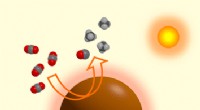
Water evaporates from the surface of the leaves into the intercellular spaces. This process is driven by the energy from the sun.
2. Diffusion
Water vapour diffuses out of the intercellular spaces through the stomata. Stomata are small pores on the surface of the leaves that allow for the exchange of gases.
3. Transpiration
Water vapour is released into the atmosphere. Transpiration is driven by the difference in water vapour concentration between the inside of the leaf and the outside air.
The rate of transpiration is influenced by a number of factors, including:
* Temperature: Transpiration increases with increasing temperature.
* Humidity: Transpiration decreases with increasing humidity.
* Wind speed: Transpiration increases with increasing wind speed.
* Plant type: Different plant types have different transpiration rates.
Transpiration is an important process for plants, as it helps them to:
* Cool down: Transpiration helps to cool plants down by evaporating water from the leaves.
* Transport nutrients: Transpiration helps to transport nutrients from the roots to the leaves.
* Maintain water balance: Transpiration helps plants to maintain their water balance by regulating the amount of water that is lost through the leaves.
Transpiration is also an important process for the Earth's climate. It helps to regulate the amount of water vapour in the atmosphere, which in turn affects the formation of clouds and precipitation. Transpiration also helps to cool the Earth's surface by releasing water vapour into the atmosphere.