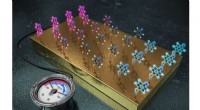
- Vapor: Crystals can grow from the vapor phase when the vapor pressure of the material exceeds the equilibrium vapor pressure of the crystal. This can occur when a material is heated to a high enough temperature or when a solvent evaporates from a solution containing the material.
- Liquid: Crystals can also grow from a liquid phase when the concentration of the material in the liquid exceeds the equilibrium concentration of the material in the crystal. This can occur when a material is dissolved in a solvent and then the solvent is slowly evaporated, or when a material is melted and then slowly cooled.
- Solid: Crystals can even grow from a solid phase, although this is a much slower process than growth from the vapor or liquid phase. This can occur when a material is subjected to high pressure or when it is exposed to radiation.
In all of these cases, the material being added to the crystal must be in a form that can be incorporated into the crystal's lattice. For example, if a crystal is growing from a vapor phase, the vapor must be composed of molecules or atoms that can fit into the crystal's lattice. If a crystal is growing from a liquid phase, the liquid must contain ions or molecules that can fit into the crystal's lattice.
Once the material has been added to the crystal's surface, it must then be arranged into the correct lattice structure. This is done by the process of self-assembly, in which the material atoms or molecules spontaneously arrange themselves into the lowest-energy configuration. This process can be assisted by the presence of defects in the crystal's lattice, which can provide nucleation sites for the growth of new material.
The rate at which a crystal grows depends on a number of factors, including the temperature, pressure, and concentration of the material in the surrounding environment. The rate of growth can also be affected by the presence of impurities and other defects in the crystal's lattice.