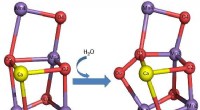
1. Sulfur Dioxide Emissions: When copper sulfide (CuS) is heated in the presence of oxygen, it undergoes a chemical reaction that releases sulfur dioxide (SO2) gas into the atmosphere. SO2 is a known air pollutant that contributes to acid rain and can cause respiratory problems in humans and animals.
2. Copper Particulate Matter: The heating process can also release fine copper particles into the air. These particles can have adverse health effects when inhaled, including respiratory irritation, lung damage, and even heavy metal poisoning.
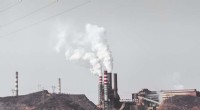
3. Copper Smelting: Smelting is a common method used to extract copper from copper sulfide ore. The smelting process involves heating the ore at high temperatures in the presence of oxygen, leading to the release of various pollutants, including sulfur dioxide, copper particulate matter, and other heavy metals. These pollutants can contaminate the air, soil, and water sources, posing risks to human health and the environment.
4. Acid Mine Drainage: Copper mining and smelting activities often result in the formation of acidic wastewater, known as acid mine drainage. This acidic water can contaminate nearby water bodies, altering the pH levels and adversely affecting aquatic ecosystems and biodiversity.
5. Soil and Groundwater Contamination: Mining and smelting operations can generate large amounts of waste rock and tailings that contain heavy metals, including copper. Improper management of these wastes can lead to the leaching of metals into the soil and groundwater, contaminating these vital resources.
6. Habitat Destruction: Mining and smelting activities often require extensive land use, resulting in habitat loss and fragmentation for wildlife. This can disrupt ecosystems, reduce biodiversity, and negatively impact ecological balance.
7. Greenhouse Gas Emissions: The energy-intensive processes involved in copper sulfide heating, such as smelting and refining, contribute to greenhouse gas emissions. These emissions can exacerbate climate change and disrupt global weather patterns.
To mitigate the environmental problems caused by heating copper sulfide, it is essential to implement effective pollution control measures, such as emission control technologies, waste management practices, and environmental monitoring. Additionally, promoting sustainable mining practices and alternative methods of copper extraction can help minimize the negative environmental impacts associated with copper sulfide processing.