In ionic compounds, the cations are positively charged ions formed when a metal loses one or more valence electrons. These cations have a net positive charge due to the loss of electrons. The charge of the cation is determined by the number of valence electrons lost. For example:
- Na+ (sodium cation): Sodium loses one valence electron, resulting in a 1+ charge.
- Mg2+ (magnesium cation): Magnesium loses two valence electrons, resulting in a 2+ charge.
- Al3+ (aluminum cation): Aluminum loses three valence electrons, resulting in a 3+ charge.
Covalent Compounds:
In covalent compounds, there are no distinct cations or anions. Instead, the atoms share electrons to form covalent bonds. The electronegativity of the atoms involved determines the type and polarity of the covalent bonds.
Molecular Compounds:
In molecular compounds, the cations are typically hydrogen ions (H+). These hydrogen ions result from the transfer of electrons from a hydrogen atom to a more electronegative atom, such as oxygen, nitrogen, or fluorine. For example:
- HCl (hydrogen chloride): Hydrogen loses one electron to chlorine, resulting in the formation of H+ and Cl- ions.
- NH4+ (ammonium ion): Nitrogen gains one electron from each of the four hydrogen atoms, resulting in the formation of the NH4+ cation.
Metallic Compounds:
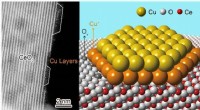
Metallic compounds are composed of metal atoms bonded together by metallic bonds. In these compounds, the metal atoms share a pool of valence electrons, creating a "sea" of delocalized electrons. The cations in metallic compounds are positively charged metal ions, but they do not exist as individual entities. Instead, they are surrounded by the sea of delocalized electrons.