Physical Properties:
Physical properties describe the observable characteristics of a substance without changing its chemical composition. These properties can be observed or measured without altering the substance's chemical structure. Some common physical properties include:
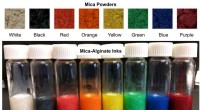
- Appearance: Color, shape, texture, and physical state (solid, liquid, or gas).
- Odor and Taste: The distinct smell and taste of a substance.
- Melting point: The temperature at which a solid turns into a liquid.
- Boiling point: The temperature at which a liquid turns into a gas.
- Density: Mass per unit volume of a substance.
- Solubility: The ability of a substance to dissolve in a solvent.
- Conductivity: The ability of a substance to conduct heat or electricity.
- Magnetism: The ability of a substance to be attracted to or repel magnets.
Physical properties provide information about the physical behavior and characteristics of a substance without causing a chemical change. These properties are useful in identifying, classifying, and comparing substances.
Chemical Properties:
Chemical properties describe how a substance interacts with other substances and undergoes chemical changes. These properties involve the substance's ability to react with other substances and form new compounds. Some common chemical properties include:
- Reactivity: The tendency of a substance to undergo chemical reactions.
- Flammability: The ability of a substance to burn or react with oxygen.
- Acidity or Basicity: The ability of a substance to donate or accept protons, determining its pH level.
- Oxidizing or Reducing properties: The ability of a substance to gain or lose electrons, leading to oxidation or reduction reactions.
- Corrosiveness: The ability of a substance to cause damage or deteriorate other materials through chemical reactions.
Chemical properties determine how a substance behaves in chemical reactions and how it interacts with other elements and compounds. These properties are essential for understanding the chemical reactions and transformations that substances undergo.
In summary, physical properties describe the observable characteristics and behavior of a substance without changing its chemical composition, while chemical properties describe how a substance interacts with other substances and undergoes chemical changes. Both physical and chemical properties are crucial in understanding the nature and behavior of matter, and they play significant roles in various scientific fields, including chemistry, physics, and material science.