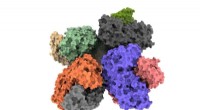
Here's a more detailed explanation of what happens when light strikes chlorophyll:
1. Absorption of blue and red light: Chlorophyll molecules have a specific structure that allows them to absorb blue and red light from the visible spectrum. These wavelengths of light have higher energy compared to green light.
2. Reflection of green light: After absorbing blue and red light, chlorophyll reflects the remaining wavelengths, which include green light. This reflected green light is what we perceive when we look at chlorophyll-containing plants or other organisms.
3. Complementary colors: The color that we perceive an object to be is determined by the wavelengths of light that it reflects. In the case of chlorophyll, it reflects green light and absorbs blue and red light. According to color theory, green is the complementary color to red and blue. This means that when we look at chlorophyll, our eyes perceive the reflected green light as the most prominent color, making the object appear green to us.
In summary, chlorophyll appears green to us because it absorbs blue and red wavelengths of light and reflects green light. This selective absorption and reflection of light is a result of the specific molecular structure of chlorophyll.