1. Capture and Transfer of Light Energy:
Photosynthesis begins with the absorption of light energy by chlorophyll molecules in the chloroplasts of plant cells. These chlorophyll molecules are part of specialized protein complexes called photosystems. When light strikes the chlorophyll, it excites electrons within the molecule causing them to move to a higher energy level.
2. Electron Transport Chain:
- Once excited, the high energy electrons are passed to a series of electron carriers. These carriers are arranged in an electron transport chain, which is similar to the electron transport chain found in cellular respiration.
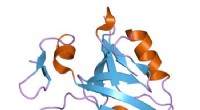
- The electron transport chain consists of various proteins, such as cytochrome b6f complex, plastocyanin, and ferredoxin. As electrons move through the chain, they release energy that is used to generate a proton gradient across the thylakoid membrane in chloroplasts.
3. Generation of Proton Gradient:
- As electrons pass through the electron transport chain, protons are pumped from the stroma (inner space of chloroplasts) into the thylakoid lumen (interior of thylakoid membranes).
- This creates a proton gradient with a higher concentration of protons in the thylakoid lumen compared to the stroma. The proton gradient stores potential energy that will later be used to synthesize ATP.
4. ATP Synthesis:
- The proton gradient generated by electron transport powers the synthesis of ATP (adenosine triphosphate), the universal energy currency of cells.
- As protons flow back from the thylakoid lumen into the stroma through ATP synthase, an enzyme embedded in the thylakoid membrane, the energy released is used to convert ADP (adenosine diphosphate) to ATP. This process is known as photophosphorylation.
5. Reduction of NADP+:
- The electrons that pass through the electron transport chain are eventually used to reduce NADP+ (nicotinamide adenine dinucleotide phosphate) into NADPH.
- NADPH, along with ATP, serves as a source of reducing power and energy in the subsequent reactions of the Calvin Cycle (the light-independent reactions of photosynthesis) where carbon dioxide is converted into glucose and other organic molecules.
In summary, electron carriers are crucial in photosynthesis because they facilitate the capture of light energy, the generation of a proton gradient, the synthesis of ATP, and the reduction of NADP+. Without these electron carriers and their ability to transfer electrons, the conversion of light energy into chemical energy in photosynthesis would not be possible.