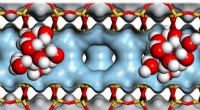
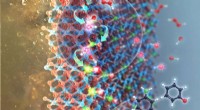
At the molecular level, when sugar is added to water, the polar water molecules surround and solvate the polar sugar molecules, forming hydrogen bonds between the water molecules and the sugar molecules. This interaction between the water molecules and the sugar molecules allows the sugar molecules to dissolve in water.
The rate at which sugar dissolves in water depends on several factors, such as temperature, surface area, and agitation. Higher temperatures increase the kinetic energy of the water molecules, causing them to move faster and dissolve the sugar more quickly. Increasing the surface area of the sugar also increases the rate of dissolution, as it allows more water molecules to come into contact with the sugar molecules. Agitation, such as stirring or shaking, helps to disperse the sugar molecules and increase the surface area, speeding up the dissolution process.