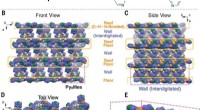
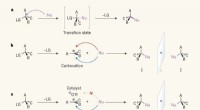
The shape of a material can be used to classify it into different categories. For example, materials can be classified as:
* Amorphous: Materials that do not have a definite shape or structure, such as liquids and gases.
* Crystalline: Materials that have a definite shape and structure, such as solids.
* Polycrystalline: Materials that are composed of many small crystals, such as metals and ceramics.
Volume
The volume of a material can also be used to classify it into different categories. For example, materials can be classified as:
* Solids: Materials that have a definite shape and volume, such as rocks and metals.
* Liquids: Materials that have a definite volume but no definite shape, such as water and oil.
* Gases: Materials that have no definite shape or volume, such as air and helium.
Shape and volume together
The shape and volume of a material can be used together to classify it into even more specific categories. For example, materials can be classified as:
* Spherical: Materials that have a round shape, such as balls and beads.
* Cubic: Materials that have a square shape, such as cubes and bricks.
* Cylindrical: Materials that have a cylindrical shape, such as pipes and rods.
* Irregular: Materials that have an irregular shape, such as rocks and pieces of wood.
By classifying materials based on their shape and volume, we can better understand their properties and how they can be used.