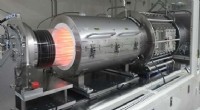
Lime is produced when calcium carbonate is heated to a high temperature. This process is called calcination. Calcination leaves calcium oxide, which is also known as quicklime. Quicklime is a highly reactive substance that readily combines with water to form calcium hydroxide, or slaked lime.
Calcium hydroxide is a strong base, which means that it has a high pH. This is because calcium hydroxide dissociates in water to form calcium ions and hydroxide ions. The hydroxide ions are what give lime its alkaline properties.