Physical Changes
Positive effects:
* Shaping and molding: Physical changes allow materials to be shaped and molded into different forms, making them useful for various applications. For example, metals can be forged, rolled, or drawn into different shapes, and plastics can be molded into complex components.
* Mixing and blending: Physical changes enable different materials to be mixed or blended to create new substances with desired properties. For example, mixing different metals can produce alloys with improved strength, hardness, or corrosion resistance; blending different polymers can result in composites with enhanced properties.
* Separation and purification: Physical changes can be used to separate and purify substances. For instance, filtration can remove solid particles from liquids, distillation can separate liquids with different boiling points, and chromatography can isolate specific components from mixtures.
* Energy storage: Some physical changes involve the storage or release of energy. For example, when a rubber band is stretched, it stores elastic potential energy that is released when the band is released. This principle is utilized in various energy storage devices, such as springs and elastic materials.
Negative effects:
* Degradation: Physical changes can cause materials to degrade over time. For instance, repeated stretching of a rubber band can eventually lead to its breakage, and exposure to sunlight or moisture can deteriorate the properties of plastics.
* Wear and tear: Physical changes can result in wear and tear on materials, especially when subjected to mechanical forces or harsh conditions. For example, friction between moving parts can cause wear and tear on machine components, and abrasion can damage surfaces over time.
* Noise and vibration: Some physical changes can generate noise or vibrations, which can be undesirable or even harmful. For example, the operation of machinery can produce noise that may disturb people or disrupt sensitive environments.
Chemical Changes
Positive effects:
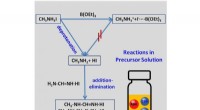
* Chemical reactions: Chemical changes involve chemical reactions that can produce new substances with different properties. These reactions are essential for various industries, such as the production of pharmaceuticals, fertilizers, plastics, and fuels.
* Energy production: Chemical changes are often involved in energy production, such as burning fuels to generate heat and electricity, or using electrochemical reactions in batteries and fuel cells.
* Food processing: Chemical changes are crucial in food processing to preserve, enhance flavor, or alter the texture of foods. For example, cooking involves chemical reactions that break down complex molecules and make nutrients more digestible.
* Medicines and healthcare: Chemical changes are essential in the development of medicines and healthcare products. They allow for the synthesis of drugs, antibiotics, and other therapeutic agents, as well as the production of medical materials and devices.
Negative effects:
* Pollution: Chemical changes can release harmful pollutants into the environment, such as greenhouse gases, toxic chemicals, and particulate matter. These pollutants can contribute to air pollution, water pollution, and climate change, posing risks to human health and the environment.
* Corrosion: Chemical changes can cause corrosion of materials, especially metals. This can lead to structural damage, reduced lifespan of materials, and the release of harmful substances.
* Explosions and fires: Some chemical changes can be highly exothermic, releasing large amounts of heat and causing explosions or fires. This can occur when flammable or unstable materials undergo rapid chemical reactions.
* Toxicity: Chemical changes can produce toxic substances that can pose health risks. These substances can be harmful if inhaled, ingested, or absorbed through the skin, leading to various health problems.
It's important to note that the effects of physical and chemical changes can vary depending on the specific materials, substances, and conditions involved. Proper understanding, management, and control of these changes are essential to maximize the benefits and minimize the negative consequences.