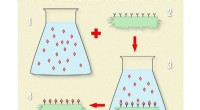
1. Formation of Metal Ions: When a metal reacts with an acid, the metal atoms on the surface lose their valence electrons and become positively charged metal ions. These metal ions are released into the solution, forming a metal salt.
2. Formation of Hydrogen Gas: The electrons released by the metal atoms combine with hydrogen ions (H+) present in the acid to form hydrogen gas (H2). This gas bubbles out of the solution, producing fizzing or effervescence.
3. Production of Heat: The reaction between an acid and a metal often releases a significant amount of heat, causing the solution to become hot or even boil. This heat is generated by the chemical reaction itself, as well as the formation and escape of hydrogen gas.
4. Formation of Metal Salt: As the reaction progresses, the metal ions released by the metal combine with the anions (negative ions) of the acid to form a metal salt. The metal salt remains dissolved in the solution unless it's insoluble, in which case it may precipitate out of the solution as a solid.
5. Corrosion or Dissolution: In some cases, the reaction between an acid and a metal can lead to corrosion or dissolution of the metal. This is particularly common with highly reactive metals like aluminum, zinc, and iron. The metal slowly dissolves in the acid, releasing metal ions and hydrogen gas.
It's important to note that the specific reactions and outcomes may vary depending on the acid concentration, temperature, metal type, and other factors. Always handle acids and metals with caution, following safety protocols and using proper protective equipment.