- H+ (hydrogen ion) is the most common form of hydrogen in the natural world. It is a positively charged ion because it has lost one electron. Hydrogen ions can be formed by the following processes:
- _Ionic bonding:_ When hydrogen atoms bond with electronegative elements such as fluorine, chlorine, oxygen, or nitrogen, they lose one electron to form a positive hydrogen ion (H+).
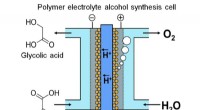
- _Acid dissociation:_ When an acid dissolves in water, it releases H+ ions into the solution.
- _Photoionization:_ When hydrogen gas is exposed to ultraviolet radiation, the photons of light can knock electrons off of the hydrogen atoms, creating H+ ions.
- H- (hydride ion) is a negatively charged ion because it has gained one extra electron. Hydride ions are relatively rare in nature but can be found in certain compounds, such as sodium hydride (NaH) and potassium hydride (KH). Hydride ions can be formed by the following processes:
- _Ionic bonding:_ When hydrogen atoms bond with strongly electropositive elements such as lithium, sodium, or potassium, they gain one extra electron to form a negative hydride ion (H-).
- _Reduction:_ When a hydrogen atom gains one extra electron, it is said to be reduced. Reduction can occur when hydrogen gas reacts with a reducing agent, such as a metal or a strong base.