* Digestion: When you eat food, the chemicals in your saliva and stomach acids break down the food into smaller molecules that your body can absorb.
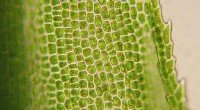
* Photosynthesis: Plants use the energy from the sun to convert carbon dioxide and water into glucose and oxygen.
* Cellular respiration: Cells use oxygen to break down glucose and produce energy for the cell.
* Rusting: Iron reacts with oxygen to form iron oxide, or rust.
* Baking: When you bake a cake, the baking powder reacts with other ingredients to produce carbon dioxide gas, which causes the cake to rise.
* Frying an egg: When you fry an egg, the proteins in the egg react with the heat of the pan to form a solid structure.
* Burning wood: When wood burns, the cellulose and lignin in the wood react with oxygen to produce carbon dioxide, water vapor, and heat.