1. Hydrocarbon: A compound that contains only hydrogen and carbon atoms. For example, methane (CH4) is a hydrocarbon.
2. Hydroxide Ion: An ion with the formula OH-. Hydroxide ions are formed when water molecules lose a hydrogen ion (H+).
3. Hydrochloric Acid: An acid with the formula HCl. Hydrochloric acid is formed when hydrogen chloride gas (HCl) dissolves in water.
4. Hydrolysis: A chemical reaction in which water is used to break down a compound. For example, the hydrolysis of sucrose (C12H22O11) produces glucose (C6H12O6) and fructose (C6H12O6).
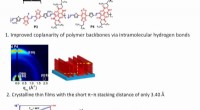
5. Hydrogen Bond: A type of non-covalent bond that forms between a hydrogen atom and an electronegative atom, such as oxygen, nitrogen, or fluorine. Hydrogen bonds are important in determining the properties of many substances, such as water and proteins.
In general, the term "hydro-" in chemistry indicates the presence of hydrogen atoms or hydrogen-containing groups in a compound or molecule. It is a common prefix used in chemical nomenclature to describe the composition and structure of various substances.