- Surfactants (Surface-Active Agents): These are the primary cleaning components of detergents. Surfactants reduce the surface tension of water, allowing it to penetrate and dissolve dirt and grease more effectively. Examples include:
- Sodium lauryl sulfate (SLS)
-Sodium laureth sulfate (SLES)
-Linear alkylbenzene sulfonates (LAS)
-Alcohol ethoxylates
-Cocamidopropyl betaine
- Builders: These substances enhance the cleaning power of surfactants by softening hard water and removing minerals that can interfere with the cleaning process. Common builders in detergents include:
- Sodium tripolyphosphate (STPP)
-Sodium carbonate
-Sodium bicarbonate
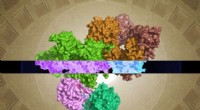
- Enzymes: Enzymes are biological catalysts that break down specific types of stains, such as proteins, fats, and carbohydrates. They are added to detergents to improve their cleaning performance. Examples of enzymes in detergents include:
-Proteases
-Lipases
-Amylases
-Cellulases
- Bleaching Agents: These chemicals whiten fabrics and remove stains by oxidizing them. Common bleaching agents used in detergents include:
-Sodium hypochlorite (bleach)
-Hydrogen peroxide
-Sodium perborate
-Sodium percarbonate
- Fabric Softeners: Fabric softeners reduce the stiffness of fabrics and make them feel softer and more comfortable. They work by coating the fibers of the fabric with positively charged molecules that counteract the negative charges on the fibers, reducing friction and static. Common fabric softeners include:
-Quaternary ammonium compounds
-Fatty alcohols
-Esters
- Optical Brighteners: These chemicals absorb ultraviolet (UV) light and emit visible blue light, making fabrics appear brighter and whiter. Optical brighteners are often used in laundry detergents and fabric softeners.
In addition to these main components, detergents may also contain other ingredients such as fragrances, dyes, preservatives, and anti-redeposition agents. The specific combination of ingredients used in a detergent can vary depending on its intended use (e.g., for laundry, dishwashing, or surface cleaning) and the desired performance characteristics.