Materials Needed:
- Concentrated hydrochloric acid (HCl) of high concentration, usually 37% or 12M.
- Distilled or deionized water.
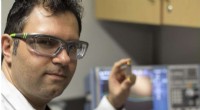
- Appropriate safety equipment: safety goggles, gloves, lab coat, and a fume hood.
- Glassware: graduated cylinder or beaker, volumetric flask, stirring rod, and funnel.
Procedure:
1. Wear appropriate safety equipment, including gloves and goggles, to protect yourself from concentrated HCl. Work under a fume hood to avoid exposure to HCl vapors.
2. Calculate the amount of concentrated HCl needed based on the desired concentration of the solution and the volumes involved. Use dilution formulas or consult a reference source for accurate calculations.
3. Pour a small amount of distilled or deionized water into a clean and dry volumetric flask. This initial volume of water should be less than the desired final volume.
4. Using a graduated cylinder, carefully measure the required volume of concentrated HCl and slowly add it to the water in the volumetric flask. Never add water to concentrated acid, as it can cause a violent and dangerous reaction.
5. Swirl or stir the solution gently with a stirring rod. Avoid splashing or forming bubbles.
6. Add more distilled water gradually to the flask until the level reaches the calibration mark. Mix the solution thoroughly by swirling it.
7. Label the flask with the concentration of the HCl solution, your name, and the date. Store the HCl solution safely and dispose of any waste responsibly according to your laboratory's safety protocols.
Remember that working with concentrated acids requires caution, expertise, and adherence to safety guidelines. If you are unsure or inexperienced, always seek guidance from a qualified professional in a laboratory setting.