1. Oxidation-Reduction Reaction:
- Potassium nitrate acts as an oxidizer, providing oxygen for the combustion of sugar.
- Sugar acts as a fuel, providing carbon and hydrogen for the reaction.
- During the reaction, the carbon atoms in sugar combine with oxygen from potassium nitrate to form carbon dioxide (CO2) gas.
- The hydrogen atoms in sugar combine with oxygen to form water vapor (H2O).
2. Decomposition:
- As the reaction proceeds, potassium nitrate undergoes decomposition. It breaks down into potassium oxide (K2O) and nitrogen dioxide (NO2) gas.
3. Smoke Generation:
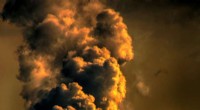
- The rapid production of carbon dioxide, water vapor, and nitrogen dioxide gases during the reaction leads to the formation of smoke.
- The smoke consists of tiny particles of unburned carbon and other products of the reaction suspended in the air.
- The smoke is often accompanied by a characteristic odor due to the presence of nitrogen dioxide gas.
The reaction between potassium nitrate and sugar is highly exothermic, releasing large amounts of heat and energy. This property makes the mixture useful as a propellant in fireworks, rockets, and other pyrotechnic devices. However, it's essential to handle and use these materials with extreme caution due to their potential for rapid combustion and the production of hot, corrosive gases.