1. Chemical Absorption:
- Carbon dioxide reacts with certain chemical solvents, such as monoethanolamine (MEA) or potassium carbonate (K2CO3), to form stable compounds.
- These compounds can be heated to release concentrated CO2, while leaving behind the oxygen present in the original mixture.
2. Physical Absorption:
- This method utilizes the different solubility properties of carbon dioxide and oxygen in various solvents.
- By pressurizing a mixture containing both gases, they can be dissolved in a suitable solvent.
- When the pressure is reduced, the CO2 comes out of the solution first, allowing for its separation.
3. Cryogenic Distillation:
- This technique takes advantage of the different boiling points of carbon dioxide and oxygen.
- The gas mixture is cooled to extremely low temperatures until it liquefies.
- As the liquid mixture is gradually heated, carbon dioxide vaporizes at a lower temperature compared to oxygen, enabling their separation.
4. Membrane Separation:
- Certain membranes selectively allow the passage of specific gases while blocking others.
- Membranes can be designed to allow CO2 molecules to pass through while retaining oxygen.
- This method can be energy-efficient and suitable for continuous separation processes.
5. Adsorption:
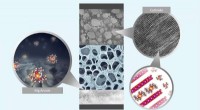
- Some materials, such as zeolites or activated carbon, have a strong affinity for CO2 molecules.
- When these materials are exposed to a gas mixture, they selectively adsorb CO2, allowing the purified oxygen to be collected.
The choice of separation method depends on factors such as the purity requirements, scale of operation, desired pressure and temperature conditions, and economic considerations. These techniques play a crucial role in industries that require pure oxygen, including steel production, medical applications, semiconductor manufacturing, and space exploration.